Druk Wangyal
Detailed 7 Days Itinerary with Druk Wangyal
Detailed 7-day itinerary for Bhutan, ideal for first-time travellers who want to experience the
culture, nature, and spirituality of the country. This itinerary is tailored for a mix of
sightseeing, moderate trekking, cultural immersion, and relaxation
Package Included:
- Bhutan E-Visa – USD 40
- Sustainable Development Fee (SDF)- USD 100 Per Person Per day.
- Airport Transfer (Pick and Drop)
- All sightseeing
- All meals
- Hotels
- English Speaking Guide
- All the taxes levied
Destinations Covered
- Paro District
- Thimphu District
- Punakha District
- Wangdue Phodrang District
- Bumthang
Hotels / 3 Stars
Paro = Lhayhuel (3 Nights)
Thimphu = Osel (2 Nights)
Wangdue Phodrang = Local Homestay (1 Night)
Vehicle - Hyundai SUV
7-Day Bhutan With Druk Wangyal Festival: Land of the Thunder Dragon
Arrive at Paro International Airport (2,200 m), where you will be welcomed by breathtaking views of the Himalayan mountains during your descent. After completing immigration formalities, our professional guide and driver will meet you at the airport.
From Paro, drive to Thimphu (approx. 1.5 hours | 55 km). Enjoy a scenic journey along the Paro River and Thimphu Chhu, passing through beautiful valleys and traditional villages. En route, stop at the Tamchog Lhakhang Iron Chain Bridge, a historic and spiritually significant landmark.
Depending on your arrival time, visit the Memorial Chorten, built in honor of Bhutan’s third king. This important spiritual site is a peaceful place where locals gather for prayer and meditation.
In the evening, enjoy leisure time with a relaxed stroll along Norzin Lam, Thimphu’s main street, where you can explore local markets, handicraft shops, and experience Bhutanese daily life.
Overnight stay: Osel Hotel, Thimphu.
Buddha Dordenma is a massive statue of Shakyamuni Buddha located on a hill overlooking Thimphu, the capital of Bhutan. Standing at 51.5 meters (169 feet), it is one of the largest Buddha statues in the world.
Made of bronze and gilded in gold, the statue houses 125,000 smaller Buddha statues inside it. It was built to celebrate the 60th anniversary of the Fourth King, His Majesty Jigme Singye Wangchuck, and to fulfill an ancient prophecy about the spread of peace and happiness in the region.
The site offers panoramic views of Thimphu Valley and serves as a spiritual landmark, drawing both locals and tourists. Buddha Dordenma symbolizes compassion, peace, and prosperity, and is a must-visit site in Bhutan.
The Takin Preserve in Motithang, Thimphu, is a wildlife reserve dedicated to Bhutan’s national animal—the takin. This unusual-looking animal, with the head of a goat and the body of a cow, is native to Bhutan and found in the eastern Himalayas.
According to legend, the takin was created by the 15th-century saint Drukpa Kunley, the “Divine Madman,” who magically formed it from the bones of a cow and a goat. Once kept in a zoo, the animals were later released into the wild, but they stayed near the area—leading to the creation of the preserve.
Today, the Takin Preserve offers visitors a chance to observe these rare animals in a natural forested habitat, along with other species like sambar and barking deer. It's a peaceful and educational stop, especially for families and wildlife enthusiasts.
The Wangditse Hike in Thimphu is a short and scenic trail that offers panoramic views of Thimphu Valley, ideal for nature lovers and casual hikers. The hike starts near the Broadcasting Tower above the Tashichho Dzong and takes about 1.5 to 2 hours round trip.
The trail passes through pine forests, peaceful landscapes, and occasional prayerflags fluttering in the breeze. The main highlight is the Wangditse Lhakhang, a historic temple originally built in the 18th century and recently restored after earthquake damage.
This easy to moderate hike is perfect for those looking for a quick outdoor experience with cultural significance and beautiful views of Thimphu and the surrounding mountains.
Centenary Farmers Market is the largest and most vibrant marketplace in Bhutan, located near the banks of the Wang Chhu River. Open from Thursday to Sunday, it brings together farmers from across the country to sell fresh organic produce, dairy, spices, dried foods, and local handicrafts.
The market is divided into sections for vegetables, fruits, meat, incense, and traditional Bhutanese goods, offering a great glimpse into Bhutanese daily life and food culture. It’s also a popular spot for locals and visitors alike to experience the country’s farm-to-table traditions.
Clean, well-organized, and lively, the Centenary Farmers Market is a must-visit for those wanting to explore local flavors, crafts, and community spirit in the heart of Thimphu.
Optional: Traditional Bhutanese dinner at Folk Heritage Restaurant.
Overnight stay: Thimphu. Osel Hotel.
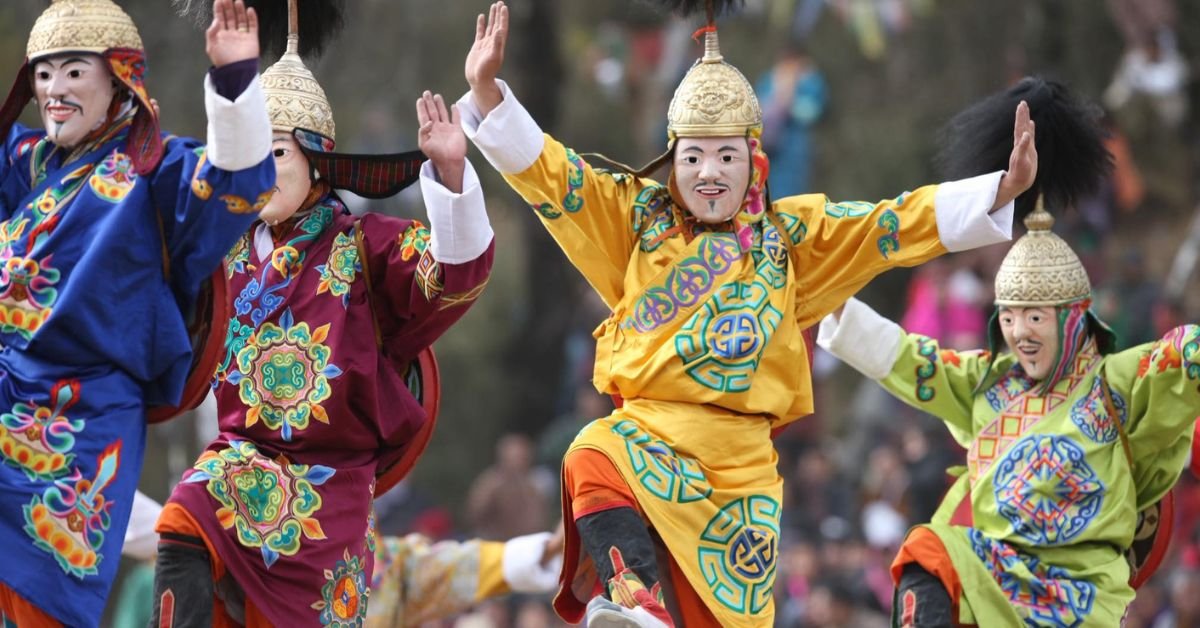
The Druk Wangyal Festival is a unique annual celebration held at Dochula Pass ever year on 13 th December. It was established in 2011 in honor of the Fourth King, His Majesty Jigme Singye Wangchuck, and the Royal Bhutan Army's victory during the 2003 military operation to protect Bhutan’s sovereignty.
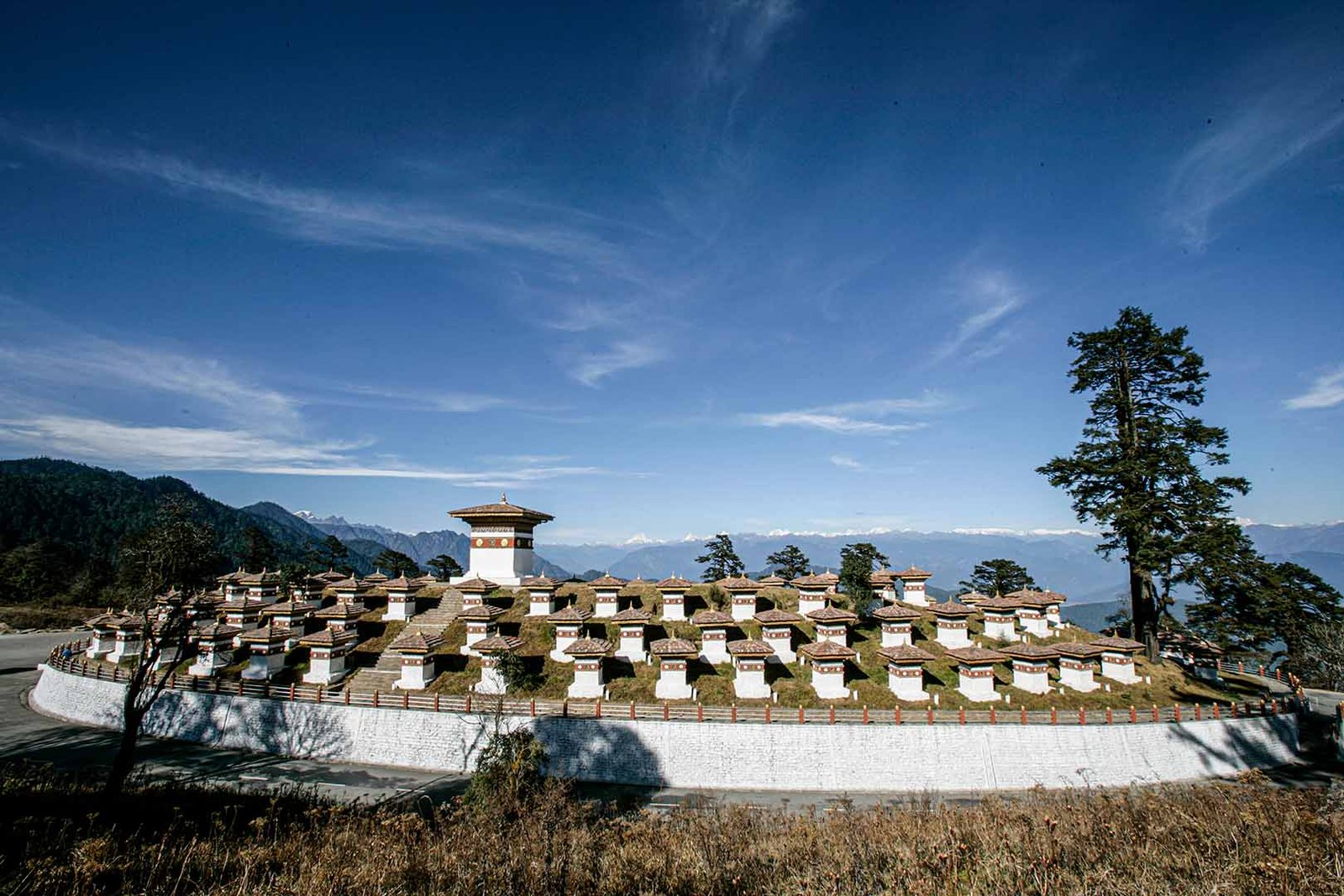
Set against the stunning backdrop of the Himalayas and the 108 Druk Wangyal Chortens, the festival features colourful mask dances, traditional performances, and contemporary-themed rituals performed by monks and Royal Arts Performers and Soldiers. What makes it special is its fusion of modern Bhutanese history with spiritual traditions, celebrating patriotism, peace, and national unity.
The Druk Wangyal Festival is not only a cultural event but also a tribute to Bhutan’s stability and leadership, making it a meaningful and visually striking experience for visitors.
Overnight stay: Local Homestay at Wangdi Dzong View.
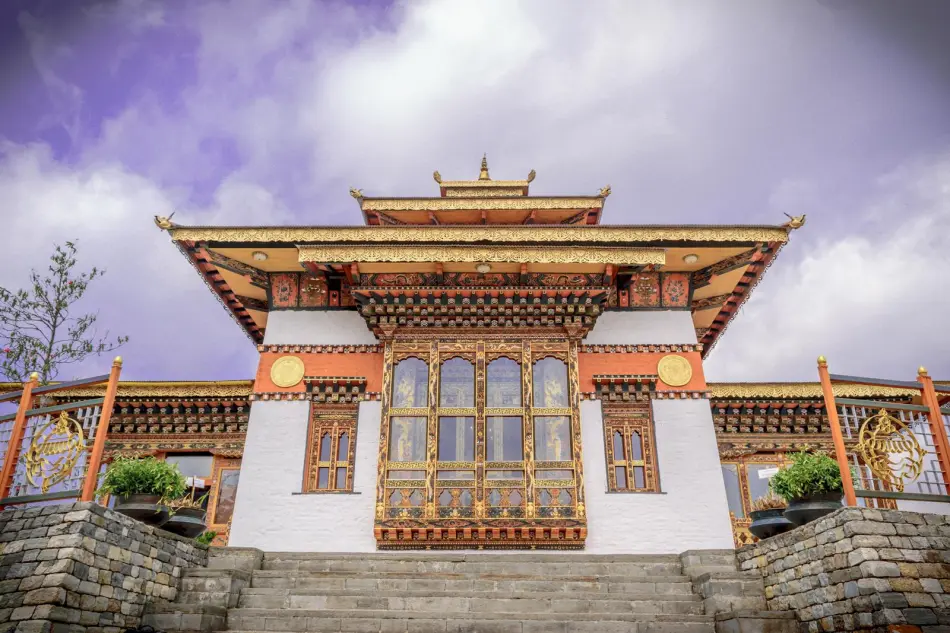
Druk Wangyal Temple is a unique and modern temple located at Dochula Pass (3,100 meters). It was built in 2008 under the patronage of Queen Mother Ashi Dorji Wangmo Wangchuck to honor the Fourth King, His Majesty Jigme Singye Wangchuck, and the Royal Bhutan Army's victory in the 2003 operation against Indian insurgents.
What makes Druk Wangyal Temple special is its blend of traditional Bhutanese architecture with contemporary themes. Inside, you'll find vibrant murals that depict not only Buddhist iconography but also scenes of modern Bhutanese history, including the King in military uniform and depictions of modern technology like space shuttles—rare in Bhutanese temples.
The temple offers stunning views of the Himalayan peaks on clear days and is surrounded by the famous 108 Druk Wangyal Chortens, making it a spiritual and historical highlight on the route between Thimphu and Punakha.
Simtokha Dzong (Simtokha Fortress) is one of the oldest dzongs (fortresses) in Bhutan, built in 1629 by Zhabdrung Ngawang Namgyal, the unifier of Bhutan. Located just 5 km south of Thimphu, it served as a strategic and spiritual center.
The dzong is historically significant as it was the first dzong built with both religious and administrative functions, setting the model for future dzongs across Bhutan. Simtokha means "Atop a Demon"—legend says it was built to subdue a demon that plagued the area. It also features beautiful murals, sacred scriptures, and intricate carvings, making it an important cultural and educational site.
Overnight stay: Lhayhuel Resort.
Haa Valley is a serene and less-traveled region in western Bhutan, known for its natural beauty, traditional culture, and spiritual heritage. Located near the border with Tibet and close to Paro.
The valley is surrounded by forested mountains and alpine meadows, making it ideal for hiking, nature walks, and cultural exploration. Key attractions include the Lhakhang Karpo (White Temple) and Lhakhang Nagpo (Black Temple), which are linked to Bhutan’s early spiritual history.
Haa is also home to the impressive Chelela Pass, Bhutan’s highest motorable point at 3,988 meters above sea level, offering spectacular views of Mount Jomolhari. With its peaceful atmosphere, friendly locals, and traditional lifestyle, Haa Valley offers a quiet escape and a glimpse into authentic rural Bhutan.
Overnight stay: Lhayhuel Resort.
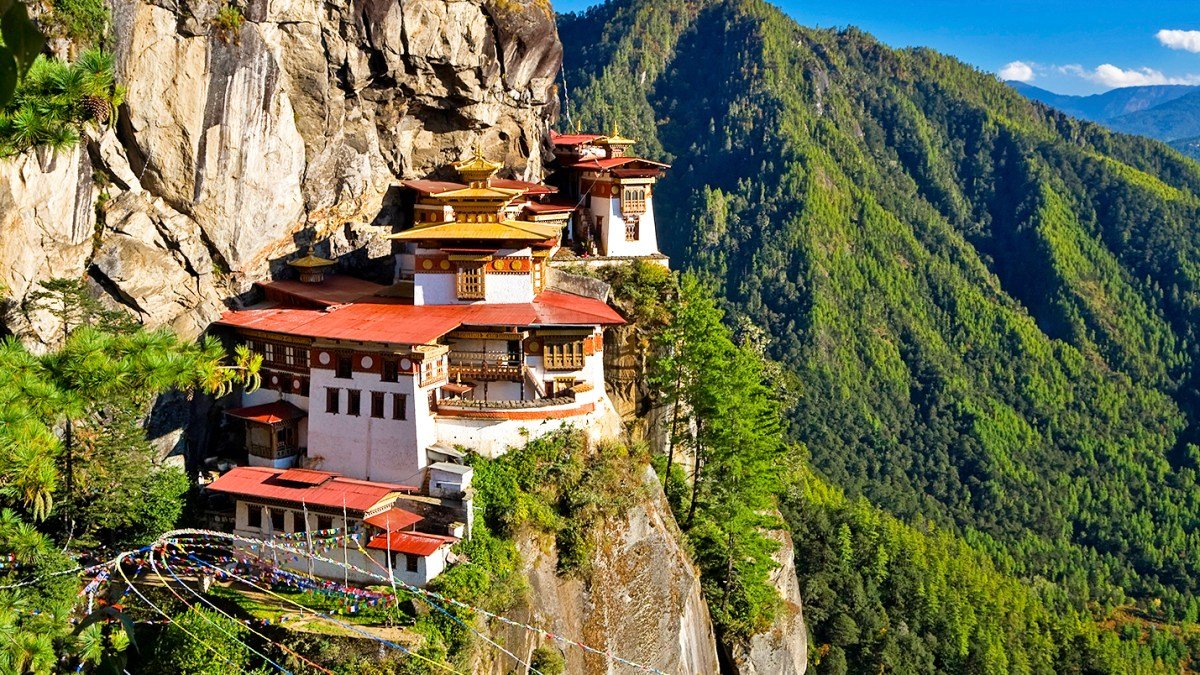
Morning: Hike to Tiger’s Nest
Begin early for the hike to Paro Taktsang, Bhutan’s most iconic landmark. Perched on a cliff at 3,120 meters, the monastery is a sacred pilgrimage site. The hike takes 4–5 hours round-trip.
Option for less experienced hikers: Stop at the cafeteria viewpoint for stunning photos without hiking the entire way.
Optional: Attend a traditional hot stone bath a therapeutic Bhutanese treatment involving mineral stones and herbs.
Overnight stay: Lhayhuel Resort.
After breakfast, your guide and driver will transfer you to Paro International Airport for your departure. Take one last deep breath of the clean mountain air and reflect on your journey through Bhutan.
Travel Tips
Best Time to Visit: March–May and September–November offer ideal weather, clear skies, and festivals.
Packing Essentials: Comfortable hiking shoes, warm layers, sunscreen, a hat, and a rain jacket.
Visa & Permits: All tourists (except Indian, Bangladeshi, and Maldivian nationals) require a visa and must book through a licensed Bhutanese tour operator.
Sustainable Development Fee (SDF): Tourists must pay a daily fee that supports Bhutan’s environmental and cultural conservation.
This itinerary blends cultural landmarks, scenic drives, spiritual experiences, and light Hiking, making it ideal for travelers seeking an immersive Bhutanese experience in one week. Would you like a version with cost estimates or hotel recommendations included?
Start Your Trip Now!
Create Memories in the Heart of Bhutan
Travel beyond sightseeing and experience Bhutan through culture, nature, and meaningful moments Our thoughtfully designed journeys ensure comfort, authenticity, and unforgettable memories at every step
Travel Tips
Best Time to Visit:
March to May and September to November are the best months to visit Bhutan. During this time, you can enjoy pleasant weather, clear skies, and vibrant local festivals.Packing Essentials:
Carry comfortable hiking shoes, warm clothing layers, sunscreen, a hat, and a rain jacket to stay prepared for changing weather conditions.Visa & Permits:
All international tourists, except Indian, Bangladeshi, and Maldivian nationals, are required to obtain a visa and must book their trip through a licensed Bhutanese tour operator.Sustainable Development Fee (SDF):
Tourists are required to pay a daily Sustainable Development Fee, which contributes to Bhutan’s environmental protection and cultural preservation efforts.
Tour Overview:
This itinerary offers a perfect blend of cultural landmarks, scenic drives, spiritual experiences, and light hiking. It is ideal for travelers looking to explore Bhutan’s rich heritage and natural beauty within one week.